


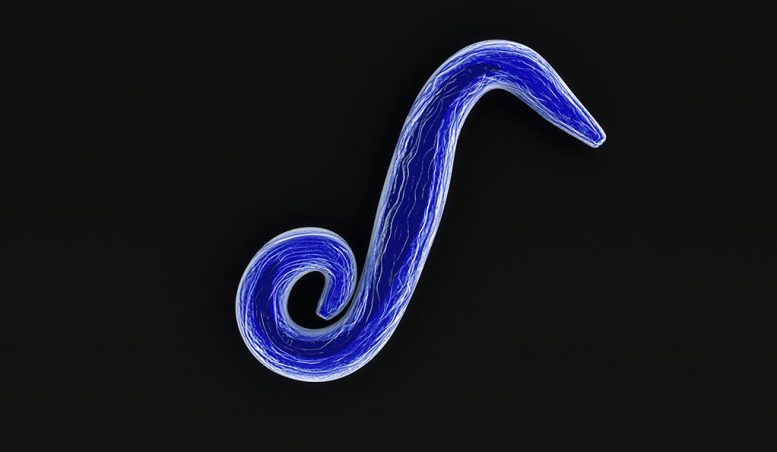
a serum advanced via yale researchers reduces contamination from malaria in mice, consistent with a brand new have a look at. it works by means of attacking a protein inside the saliva of the mosquitos infected with the malaria parasite in preference to the parasite itself. if the novel method proves effective in further studies, it is able to doubtlessly be used to decorate current malaria vaccines, the researchers said.
“it’s a new preferred strategy for a vaccine. in place of concentrated on the microbe, we target a mosquito protein that affects the surroundings wherein the microbe is transmitted,” stated erol fikrig, chief of the infectious illnesses phase at yale school of medication and senior creator of the examine, published in the journal cellular host & microbe.
malaria is one of the most deadly infectious diseases international, with numerous million cases happening each yr and nearly a half of million deaths. while infected mosquitos chunk an animal, they deposit saliva along side the malaria parasite (plasmodium) in the animal’s skin. it’s been uncertain to scientists whether the saliva aided or hindered malaria infection.
to research this query, fikrig and his colleagues first evolved a serum to immunize against extracts of mosquito saliva. then, the studies crew performed genetic monitors to perceive unique proteins inside the saliva that the serum diagnosed. via in addition experiments, they discovered that simplest one of the proteins, which they referred to as agtrio, contributed to safety against malaria on its own.
the researchers verified that the serum ought to reduce the extent of contamination in immunized mice that have been bitten by using mosquitos. the protecting effect of the serum bore out in additional checks with exceptional species of malaria parasites, in addition to in human liver cells, the researchers said.
the serum can be used to enhance the protecting effect of current malaria vaccines, that are approximately forty% efficacious in opposition to a few severe sorts of disease. at the same time as it is able to be shown to reduce malaria contamination on its personal, the serum is more likely to have an effect in affiliation with a traditional vaccine, fikrig noted.
if the vaccine strategy of targeting the mosquito protein proves both safe and powerful, it could have implications for other mosquito-borne infections, along with those due to the zika and west nile viruses. “it’s viable that this version could paintings with different mosquito-borne viruses, bacteria, or protozoa in this example,” he said.
other authors at the take a look at are srdjan m. dragovic, tolulope a. agunbiade, marianna freudzon, jing yang, andrew k. hastings, tyler r. schleicher, xia zhou, sam craft, yu-min chuang, floricel gonzalez, youquan li, gabriela hrebikova, abhai tripathi, godfree mlambo, lionel almeras, alexander ploss, and george dimopoulos.
this paintings turned into supported in component by means of grants from princeton college, an investigator in pathogenesis award through the burroughs wellcome fund to alexander ploss, and an nih/niaid supply. erol fikrig is an investigator of the howard hughes scientific institute.
0 comments:
Post a Comment