


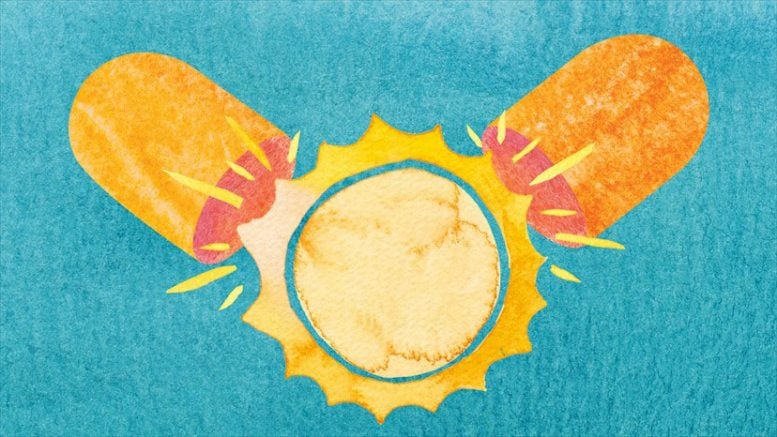
if you’re harassed approximately wherein you need to get your diet d—from supplements, food or the sun—here are the data you want to recognize.
you can have heard every vitamin d myth beneath the solar—such a lot of, in fact, which you might be at the point of throwing your hands up within the air in frustration. why can’t there be a simple solution?
first, some statistics: your body needs vitamin d. its foremost job is to assist the frame soak up calcium from the intestines. this calcium is important to assist “mineralize the skeleton” over the direction of your lifetime and is a crucial mineral for forming the hardened bone that maintains you strong and healthy.
then again, “not getting enough nutrition d can have critical outcomes, consisting of improved charges of bone loss or maybe osteomalacia (‘gentle bones’) in adults and rickets (a deforming bone sickness) in children,” says yale medicinal drug endocrinologist karl insogna, md, director of the yale medicine’s bone middle.
how do you get vitamin d?
the fast solution is from meals, the solar or dietary supplements.
there are major styles of vitamin d—diet d2 and vitamin d3—which you could get from (and arise clearly in) sure ingredients like salmon, tuna, mackerel and beef liver and egg yolks. however due to the fact we don’t consume massive sufficient quantities of these foods, they can’t be our sole source of vitamin d. that’s why foods like milk, cereal and a few orange juices are vitamin d2- and d3-fortified. (because the 1930s, manufacturers have voluntarily enriched those ingredients with nutrition d to help reduce the occurrence of dietary rickets.)
while uncovered to the solar, your skin can manufacture its own diet d. “we each have vitamin d receptor cells that, through a series of reactions starting with conversion of ldl cholesterol within the skin, produce vitamin d3 after they’re exposed to ultraviolet b (uvb) from the sun,” says yale medicine dermatologist david j. leffell, md, chief of dermatologic surgical procedure.
another street to get diet d is by taking dietary supplements. those come in both pill and liquid form. they're commonly endorsed for people with fats absorption problems, lactose intolerance, milk allergic reactions, in addition to for humans with darker pores and skin tones or with positive medical conditions that save you them from going exterior.
how does the frame procedure nutrition d?
after nutrition d is absorbed via the skin or received from meals or dietary supplements, it gets stored in the body’s fat cells. right here it remains inactive till it’s wanted. through a technique known as hydroxylation, the liver and kidneys turn the stored nutrition d into the active shape the body wishes (known as calcitriol). if you had been questioning, it doesn’t be counted if you’re getting d2 or d3, and the daylight-generated type isn’t higher than the nutritional range. “the body can use every flawlessly first-class,” says dr. insogna.
the ones are the basic information, however a few questions may remain: how need to you get vitamin d? how an awful lot should you get and while ought to you fear about your degrees? in mild of those not unusual questions, our yale medication doctors assist clear up some confusion approximately vitamin d, isolating reality from fiction.
the more nutrition d you are taking, the higher? simply now not.
—thomas wood worker, md, yale medicinal drug pediatric endocrinologist and director of the yale faculty of medicine’s center for x-linked hypophosphatemia
that’s a misconception. diet d is stored in fats. so, in case you’re a small man or woman and getting large doses, you have got less to be had storage, which means that vitamin d is going into your blood and you may take in an excessive amount of calcium, developing a toxic scenario. and it’s uncertain how lengthy you have got till you exceed the upper limits of nutrition d consumption earlier than it will become dangerous. (modest increases above the rda aren't in all likelihood to purpose harm.)
simply currently, i treated an little one whose blood diet d stage turned into within the hundreds whilst it should were among 20 and 50 nanograms/milliliter (ng/ml). the child, who developed excessive blood calcium (hypercalcemia), had to be hospitalized and handled with several kinds of medications to get the calcium levels right down to everyday stages.
you may now get 50,000 iu pills over-the-counter. there are sufferers with specific troubles who would possibly want a prescription for high degrees of nutrition d, but for most of the people, that quantity will boost your nutrition d degree too high.
whilst searching for supplements, usually search for ones that offer the every day advocated allowance (rda) you need in your age bracket: for most healthy humans, it’s six hundred iu consistent with day, however for human beings over age 70 who need a little more—it’s approximately 800 iu. that’s due to the fact, as people age (girls after menopause, specifically), they less correctly synthesize vitamin d and soak up calcium. infants ought to be getting smaller quantities in their first year of lifestyles, among two hundred and 400 iu.
need to anyone must get their nutrition d levels checked? commonly, no.
—karl insogna, md, director of yale remedy’s bone center
most people must be excellent. checking out is essential best for certain populations: for people who are institutionalized; for sufferers with a gastrointestinal ailment (like inflammatory bowel ailment) or osteoporosis; the ones who've had weight loss surgical treatment; the ones on anti-convulsant medicines; and kids who are immobilized and no longer outside and lively. if you’re over 70, i advocate getting your tiers checked as a minimum one time.
people whose cultural or non secular beliefs require them to be completely clothed, particularly in the event that they’re residing in northern climates, and whose nutritional conduct include very little dairy (that's vitamin-d-fortified), will also be vitamin d-poor and should be tested.
is nutrition d deficiency a pandemic? no, it’s no longer.
—thomas wood worker, md, yale medicinal drug pediatric endocrinologist and director of the yale faculty of medication’s middle for x-related hypophosphatemia
based on america dietary affiliation (usda) and national fitness and nutrition surveys (and the use of 20ng/ml because the decrease limit), the majority of the population isn't vitamin d-deficient. the populace we tend to see vitamin d deficiency in—and it’s typically in wintertime—are breastfed toddlers. breast milk doesn’t have a great deal nutrition d in it. that’s what spurred a recommendation from the american academy of pediatrics that each breastfed infant receive nutrition d (in the event that they’re being given liquid multivitamin drops, they’re getting sufficient of it). but if infants aren’t given multivitamin drops, they need to accept two hundred iu an afternoon of vitamin d for the first months of lifestyles and 400 units an afternoon afterwards until they’re ingesting system or milk, which are every fortified with vitamin d.
is it pleasant to get your nutrition d from the solar? virtually no longer!
—david j. leffell, md, yale remedy dermatologist and chief of dermatologic surgical procedure
one in all the biggest demanding situations we’ve faced in dermatology and within the global of pores and skin most cancers prevention has been a number of incorrect information about nutrition d metabolism.
there are claims that one wishes to get a sure amount of solar exposure every day with a purpose to produce sufficient diet d to be wholesome. it’s just now not proper. most of the people of people can get their nutrition d from dietary supplements and from vitamin d-fortified foods.
there are some people (who're usually not dermatologists or professionals within the biology of pores and skin cancer) who have advocated for tanning to get vitamin d. however we realize that uvb mild causes skin cancer and that protective yourself towards it makes experience. as a health practitioner who treats patients who have melanomas, i need the general public to be suggested that never can use of a tanning bed or tanning in wellknown be justified on the basis of diet d. take a supplement alternatively.
0 comments:
Post a Comment